
Studying in the UK is a transformative experience, offering access to some of the most prestigious universities globally. With a UK study visa, international students can immerse themselves in a rich academic environment. The UK has long been a favored destination for students from around the world, and its top institutions, such as London School of Economics, Imperial College London, and University College London, are recognized for their outstanding academic programs and research initiatives. In the 2022-23 academic year, the number of international students in the UK reached approximately 758,855, reflecting a significant 12.4% increase from the previous year. Studying in the UK not only ensures high-quality education but also opens doors to valuable post-study work opportunities through the Tier 4 visa, tailored for international students seeking both education and work experience.
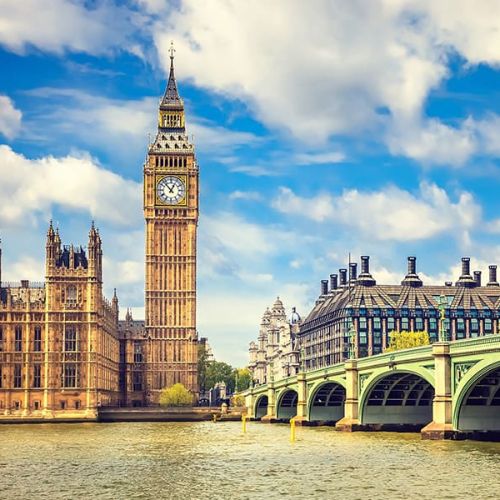
The UK is home to some of the oldest and most esteemed institutions worldwide, including three of the top-ranked universities and 26 institutions within the top 200 globally.
The UK’s educational system is renowned for its innovative teaching methods, providing students with cutting-edge programs that enhance their learning experience.
The UK’s multicultural landscape fosters an inclusive environment for individuals from various backgrounds, making it an ideal location for international students.
Graduates from esteemed UK institutions benefit from numerous job opportunities that facilitate a strong return on investment (ROI).
Tuition fees in the UK are often lower than those in other major study destinations. Many master’s programs can be completed in just one year, significantly reducing overall costs while maintaining quality education.
| Highlight | Details |
|---|---|
| Annual UK student visas issued | 484,000 |
| Post-study work visa duration | 2 years after graduation |
| Employment rate of graduates from top universities | 87.7% |
| Scholarship range | £2,500 to £10,000 |
| Minimum graduate salary | £26,000 per year |
To study in the UK, it’s essential to grasp its education system, which offers various qualifications divided into undergraduate and postgraduate degrees.
An undergraduate degree is awarded upon completing secondary education. Students typically take three years of full-time courses to earn a bachelor’s degree. Common undergraduate degrees include:
| Degree Type | Abbreviation |
|---|---|
| Bachelor of Arts | BA |
| Bachelor of Science | BSc |
| Bachelor of Education | BEd |
| Bachelor of Engineering | BEng |
| Bachelor of Laws | LLB |
| Bachelor of Medicine, Bachelor of Surgery | MB ChB |
Postgraduate degrees provide specialized knowledge in specific areas after completing an undergraduate qualification. Most master’s programs can be completed within one year of full-time study or two years part-time.
| Degree Type | Abbreviation |
|---|---|
| Master of Arts | MA |
| Master of Science | MSc |
| Master of Education | MEd |
| Master of Research | MRes |
| Master of Philosophy | MPhil |
| Master of Business Administration | MBA |
| Master’s Degree in Law | LLM |
The UK’s education credit system is based on academic credits where one credit equals 10 hours of study. Each degree has specific credit requirements.
Obtaining a UK study visa is essential for Indian students aiming to pursue education abroad. The UK’s esteemed universities and multicultural experiences provide international students with diverse educational opportunities and a chance to build a global network.
To apply for a UK student visa, candidates must meet several requirements:
The processing time for a UK study visa is typically three weeks; however, it may vary based on application volume. The visa fee is approximately £490, plus a healthcare charge based on stay duration.
Many international students opt for the post-study work visa or Graduate route visa, allowing them to remain in the UK for two years post-graduation to seek employment.
To qualify for the Graduate route visa:
The Graduate route visa lasts two years post-study; PhD graduates can extend their stay up to three years.
According to QS World University Rankings 2025, the following are among the top-ranking universities in the UK:
| Rank | University Name | Annual Fee (£) | Acceptance Rate (%) | Notable Alumni |
|---|---|---|---|---|
| 1 | University of Oxford | 9,250 – 10,000 | 17.5 | Tony Blair, Indira Gandhi |
| 2 | University of Cambridge | 9,250 – 10,000 | 20 | Stephen Hawking, Emma Thompson |
| 3 | Imperial College London | 9,250 – 10,000 | 14 | Alexander Graham Bell, H.G. Wells |
| 4 | University College London | 9,250 – 10,000 | 45 | Christopher Nolan, Malala Yousafzai |
| 5 | London School of Economics | 9,250 – 10,000 | 25 | John Maynard Keynes, George Soros |
| 6 | King’s College London | 9,250 – 10,000 | 13 | Virginia Woolf, John Keats |
| 7 | University of Edinburgh | 9,250 – 10,000 | 46 | Charles Darwin, Sir Walter Scott |
| 8 | University of Manchester | 9,250 – 10,000 | 56 | Benedict Cumberbatch, Alan Turing |
| 9 | University of Bristol | 9,250 – 10,000 | 62 | Paul Dirac, Cary Grant |
| 10 | University of Glasgow | 9,250 – 10,000 | 70 | Nicola Sturgeon, James Watt |
The government funds public universities and typically larger than private institutions, which are privately funded and often specialize in specific fields.
The UK’s diverse education system excels across various disciplines with promising career prospects:
| Course Name | Average Salary (£) |
|---|---|
| Business Analytics | 47,302 |
| Data Science | Varies by employer |
| Computer Science | Varies by employer |
| MBA | 35,000 – 65,000 |
| Finance & Accounting | Starting from 40,000 |
| Law | 20,000 – 70,000 |
| Architecture & Construction Management | 25,000 – 65,000 |
| Engineering | Varies by specialization |
Living expenses vary based on lifestyle choices and location but generally range from £12,000 – £15,600 annually for international students.
| Expense | Annual Cost |
| Accommodation | £5,000–£12,000 |
| Food | £2,000–£4,000 |
| Transportation | £500–£1,200 |
| Miscellaneous | £1,000–£2,000 |
Tuition fees differ based on university type and program level but generally fall between £9,250 – £10,000 annually for international students.
Scholarships are available to assist those needing financial support; competition is high but can significantly ease educational costs.
By choosing Flying Chalks Overseas as your partner in navigating this journey, you can access expert guidance tailored specifically for Indian students aspiring to study abroad successfully!
Yes. The UK remains one of the most popular study destinations for Indian students due to its globally ranked universities, shorter course durations, strong research opportunities, multicultural environment, and post-study work opportunities through the Graduate Route visa.
Some of the leading UK universities include:
Tuition fees typically range between £10,000 and £38,000 per year depending on the university and course. Living expenses generally range from £9,000 to £15,000 annually, depending on the city and lifestyle.
Yes. Many UK universities accept alternatives such as PTE Academic, TOEFL iBT, Duolingo English Test, or proof of English-medium education. However, requirements vary by university and course.
The major intakes are:
The September intake offers the widest range of courses and scholarship opportunities.
Popular scholarships include:
Eligibility varies depending on academic performance and course selection.
International students can generally work:
Students should always follow the conditions stated on their visa.
The Graduate Route allows international students to remain in the UK after graduation:
This visa enables graduates to work or seek employment without employer sponsorship.
Most universities require:
Requirements may vary by course and university.
Most student visa applications are processed within approximately 3 weeks after biometrics submission. Applying early is recommended to avoid delays during peak admission seasons.
Students who pay the Immigration Health Surcharge (IHS) as part of their visa application can generally access healthcare services through the UK’s National Health Service (NHS) during their studies.
Popular student cities include:
Each city offers different tuition costs, living expenses, and employment opportunities.
Highly sought-after courses include:
Studying in the UK does not directly lead to permanent residency. However, graduates may transition to work visas and eventually become eligible for settlement if they meet the UK’s immigration requirements.
Flying Chalks Overseas provides personalized guidance for university selection, application processing, SOP assistance, scholarship support, visa guidance, and pre-departure services to help students achieve their study abroad goals.
Copyright © 2025 Flying Chalks Overseas | All Rights Reserved
WhatsApp us