Studying in Ireland offers an exceptional educational experience, characterized by its world-class universities and vibrant cultural landscape. With a Ireland study visa, international students can pursue their academic goals in a country renowned for its high-quality education and welcoming environment. Ireland has consistently emerged as a top destination for students worldwide, particularly for those seeking programs in IT, engineering, and business. Recent statistics show that the number of Indian students in Ireland has surged to approximately 11,200, reflecting the country’s growing appeal as a study abroad destination.
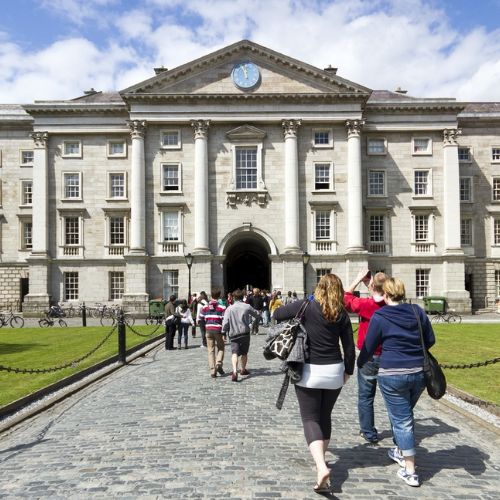
Ireland is home to some of the world’s top-ranked universities, such as Trinity College Dublin, University College Dublin, and University College Cork. These institutions are known for their high academic standards and strong focus on research and development. Graduates from Irish universities are highly sought after globally, ensuring great career prospects.
Irish universities emphasize practical learning, problem-solving, and critical thinking. Students are encouraged to engage with real-world challenges, making their education more applicable and valuable. The student-teacher ratio is favorable, which allows for personalized attention and a more interactive learning experience.
Ireland attracts students from around the globe, offering a rich mix of cultures and backgrounds. This diversity creates a vibrant and inclusive campus atmosphere, providing an excellent opportunity for networking and learning from peers with different perspectives.
Ireland offers a post-study work visa that allows international students to stay in the country for up to 2 years after completing their studies. This provides an excellent opportunity to gain valuable work experience and potentially secure permanent employment in Ireland’s growing job market.
Compared to other study-abroad destinations, Ireland offers relatively affordable tuition fees and living costs. The government also provides financial assistance through various scholarships, making it a cost-effective option for many students.
| Highlight | Details |
|---|---|
| Top-Ranked Universities | Ireland is home to world-class institutions like Trinity College Dublin, University College Dublin, and National University of Ireland Galway. |
| Innovative Education | Focus on interactive learning, research, and critical thinking, providing students with practical skills for the future workforce. |
| Cultural Experience | Ireland is known for its rich history, scenic landscapes, and friendly locals, making it a wonderful destination for cultural exchange and personal growth. |
| Post-Graduation Work Visa | International students can stay for 1-2 years after graduation to work and gain experience, with many companies hiring international graduates. |
| Affordability | Competitive tuition fees and lower living costs compared to countries like the USA, Canada, and the UK, making Ireland an attractive study option. |
The Irish education system is divided into undergraduate and postgraduate degrees, offering a range of courses in arts, sciences, engineering, and business.
An undergraduate degree is awarded upon completing secondary education. Students typically take three years of full-time courses to earn a bachelor’s degree.
| Degree Type | Duration | Common Fields |
|---|---|---|
| Bachelor of Arts (BA) | 3 years | Humanities, Social Sciences |
| Bachelor of Science (B.Sc.) | 3 years | Engineering, Natural Sciences |
| Bachelor of Business (B.Bus.) | 3 years | Business Management |
Postgraduate degrees provide specialized knowledge in specific areas after completing an undergraduate qualification.
| Degree Type | Duration | Common Fields |
|---|---|---|
| Master of Arts (MA) | 1 year | Humanities, Social Sciences |
| Master of Science (M.Sc.) | 1 year | Engineering, IT |
| Master of Business Administration (MBA) | 1 year | Business Management |
Ireland’s education credit system is based on academic credits where one credit equals approximately 10 hours of study. Each degree has specific credit requirements that students must fulfill.
Obtaining an Ireland study visa is essential for Indian students aiming to pursue education abroad. As of 2024, proof of funds has been updated; students must demonstrate they have at least €6,000 or 50% of their tuition fees paid in advance.
The visa processing time typically takes 3-4 weeks, and the visa fee is approximately €60-€150, depending on the type of visa. Ensure all documents are complete and correct to avoid delays.
After completing their studies, international students can apply for a post-study work visa, allowing them to stay in Ireland for up to 2 years to gain work experience in the country. This visa provides a pathway for international students to explore career opportunities in Ireland’s robust economy.
To qualify for a student visa, applicants must meet certain criteria:
According to QS World University Rankings 2025, the following are among the top-ranking universities in the Ireland:
| Rank | University Name | Annual Fee (EUR) | Acceptance Rate (%) | Notable Alumni |
|---|---|---|---|---|
| 1 | Trinity College Dublin | 9,000 – 25,000 | 40% | Jonathan Swift |
| 2 | University College Dublin | 12,000 – 25,000 | 50% | James Joyce |
| 3 | University College Cork | 10,000 – 20,000 | 55% | Michael Collins |
| 4 | National University of Ireland Galway | 10,000 – 18,000 | 50% | Mary Robinson |
| 5 | Dublin City University | 12,000 – 18,000 | 60% | Seamus Heaney |
The government funds public universities in Ireland and typically charge lower tuition fees compared to private institutions, which may have higher fees but often offer specialized programs.
The Ireland’s diverse education system excels across various disciplines with promising career prospects:
| Course Name | Duration |
|---|---|
| Computer Science | 3 years |
| Business Administration | 3 years |
| Engineering | 3-4 years |
| Pharmaceutical Sciences | 3 years |
The cost of living in Ireland varies depending on the city and lifestyle, but on average, international students can expect to spend between €10,000 and €15,000 per year on living expenses.
| Major Expenses | Annual Cost (€) |
|---|---|
| Accommodation | 5,000-8,000 |
| Food & Groceries | 2,000-3,000 |
| Transportation | 1,000-1,500 |
| Personal Expenses | 1,000-2,000 |
Tuition fees at Irish universities vary widely based on the institution and program chosen. Scholarships are available for international students based on merit or need-based criteria.
In summary, studying in Ireland provides numerous benefits including access to reputed universities with diverse cultural experiences while offering ample opportunities for post-study work. The increasing number of Indian students choosing Ireland reflects its growing reputation as a premier destination for higher education.
Ireland is a popular study destination known for its globally recognized universities, high-quality education system, strong economy, welcoming environment, and excellent career opportunities. It is also home to many leading multinational companies, making it attractive for students seeking international exposure and employment prospects.
Most Irish universities require:
Admission requirements may vary depending on the university and program.
The cost of studying in Ireland depends on the university, course, and location. Students should budget for tuition fees, accommodation, food, transportation, health insurance, and personal expenses. Costs can vary significantly between cities and institutions.
Some of the most recognized universities in Ireland include:
Students should choose a university based on course offerings, rankings, budget, and career goals.
Yes. Some universities may accept alternative English language proficiency tests such as PTE Academic, TOEFL iBT, Duolingo English Test, or proof of previous education in English. Requirements vary by institution and course.
Students typically need an admission offer from a recognized Irish institution, proof of sufficient funds, valid travel documents, health insurance, and supporting documentation. Visa requirements may vary based on nationality and study duration.
Yes. International students may be eligible to work part-time during academic sessions and full-time during designated holiday periods, subject to visa conditions and local regulations.
Ireland is particularly known for programs such as:
These programs align with Ireland’s strong technology, healthcare, and business sectors.
Yes. Ireland offers a variety of scholarships for international students through the Irish government, universities, and educational institutions. Scholarships may be awarded based on academic excellence, leadership potential, research achievements, or specific course requirements.
Some popular scholarships in Ireland include:
Many scholarships provide partial or full tuition fee waivers, while some may also offer additional financial support for eligible students.
Most Irish universities offer:
The Autumn Intake generally offers the largest selection of programs and scholarship opportunities.
Living expenses depend on the city and lifestyle. Students should plan for:
Dublin generally has higher living costs compared to many other Irish cities.
Yes. Ireland is considered one of the safest countries for international students. Universities provide student support services, international student offices, healthcare guidance, career support, and academic assistance.
Many graduates may have opportunities to remain in Ireland after graduation to seek employment or gain professional experience, depending on qualification level and immigration regulations.
Ireland is increasingly popular among Indian students because of its English-speaking environment, globally recognized universities, growing technology sector, welcoming culture, and strong employment opportunities in industries such as IT, pharmaceuticals, healthcare, and finance.
Popular student cities include:
Each city offers unique academic opportunities, cultural experiences, and living costs.
Yes. Many universities offer internship opportunities, industry placements, and practical learning experiences that help students develop professional skills and improve employability.
Ireland offers a high-quality education system, strong links with global employers, English-taught programs, excellent research opportunities, and a welcoming environment for international students. It is particularly attractive for students interested in technology, business, healthcare, and pharmaceutical fields.
Students must demonstrate sufficient financial resources to cover tuition fees, living expenses, and other study-related costs. Financial requirements depend on current immigration guidelines and individual circumstances.
When selecting a university, consider:
The best choice should align with your academic and career goals.
Flying Chalks Overseas provides support with university selection, admission applications, SOP guidance, scholarship assistance, visa documentation, education loan guidance, and pre-departure counselling to help students achieve their study abroad goals.
Copyright © 2025 Flying Chalks Overseas | All Rights Reserved
WhatsApp us