
Studying in Japan offers a unique educational experience, blending rich cultural heritage with cutting-edge technology. With a Japan study visa, international students can immerse themselves in a society that harmoniously combines tradition and innovation. Japan has become an increasingly popular destination for students worldwide, including those from India, seeking high-quality education and cultural enrichment. Renowned institutions such as The University of Tokyo, Kyoto University, and Osaka University are celebrated for their rigorous academic programs and groundbreaking research. In recent years, Japan has attracted a growing number of international students, reflecting its commitment to global education.
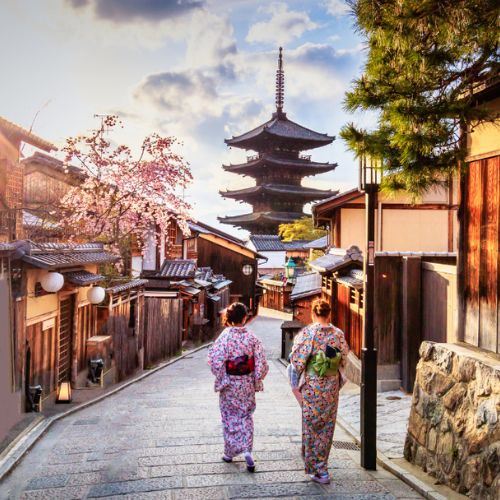
Japan is home to prestigious institutions recognized globally for excellence in education and research.
Japanese universities emphasize practical learning and innovation, preparing students for real-world challenges.
Studying in Japan provides exposure to a rich cultural tapestry, enhancing personal growth and global awareness.
Japan offers various avenues for international graduates to pursue careers, especially in sectors like technology and engineering.
Compared to Western countries, Japan offers competitive tuition fees and living costs, making it an attractive option for quality education.
| Highlight | Details |
|---|---|
| Top Universities | Institutions like The University of Tokyo, Kyoto University, and Osaka University are globally recognized for their academic excellence. |
| Scholarship Opportunities | The MEXT Scholarship and other programs provide financial support to international students, including those from India. |
| Employment Prospects | Japan’s strong economy and technological advancements offer numerous job opportunities for graduates, particularly in engineering and IT sectors. |
| Cultural Experience | Living in Japan allows students to experience a unique blend of traditional and modern lifestyles, enhancing their global perspective. |
| Safety and Cleanliness | Japan is renowned for its low crime rates and high standards of cleanliness, providing a secure environment for students. |
Japan’s education system is structured to offer a variety of qualifications, divided into undergraduate and postgraduate degrees.
An undergraduate degree is awarded upon completing secondary education. Students typically take four years of full-time courses to earn a bachelor’s degree. Common undergraduate degrees include:
| Degree | Duration | Field of Study |
|---|---|---|
| Bachelor of Arts | 4 years | Humanities, Social Sciences |
| Bachelor of Science | 4 years | Natural Sciences, Engineering |
| Bachelor of Engineering | 4 years | Various Engineering Disciplines |
| Bachelor of Business Administration | 4 years | Business, Management |
Postgraduate degrees provide specialized knowledge in specific areas after completing an undergraduate qualification. Most master’s programs can be completed within two years of full-time study.
| Degree | Duration | Field of Study |
|---|---|---|
| Master of Arts | 2 years | Humanities, Social Sciences |
| Master of Science | 2 years | Natural Sciences, Engineering |
| Master of Business Administration | 2 years | Business, Management |
| Doctor of Philosophy (Ph.D.) | 3-5 years | Various Disciplines |
Japan’s education credit system is based on academic credits, where one credit typically equals 45 hours of study, including lectures, assignments, and self-study. Each degree has specific credit requirements, ensuring a comprehensive educational experience.
Obtaining a Japan study visa is essential for Indian students aiming to pursue education in Japan. Japan’s esteemed universities and multicultural experiences provide international students with diverse educational opportunities and a chance to build a global network.
Valid Passport: Must be valid for the duration of the study period.
Certificate of Eligibility (COE): Issued by the Japanese Immigration Bureau, typically arranged by the host university.
Proof of Financial Stability: Evidence of sufficient funds to cover tuition and living expenses.
Admission Letter: Official acceptance letter from a recognized Japanese educational institution.
The processing time for a Japan study visa is typically 5 to 10 working days; however, it may vary based on application volume and individual circumstances. The visa application fee is approximately ¥3,000 for a single-entry visa.
Many international students opt for the Designated Activities Visa, allowing them to remain in Japan for up to one year post-graduation to seek employment. Upon securing a job, they can transition to a work visa corresponding to their employment type.
Academic Qualifications: Completion of the necessary educational prerequisites for the intended program.
Language Proficiency: While many programs are offered in English, proficiency in Japanese can be advantageous.
Health Requirements: Applicants may need to undergo a medical examination to ensure they meet health standards.
Secure Admission: Apply and receive acceptance from a recognized Japanese educational institution.
Obtain Certificate of Eligibility (COE): The host institution in Japan will apply for the COE on your behalf.
Prepare Documentation: Gather necessary documents, including passport, financial statements,
Complete the Visa Application Form: Fill out the Japan student visa application form accurately, available on the Japanese embassy or consulate website in your country.
Here is a list of the top 10 Japanese universities according to the QS World University Rankings 2025:
| Rank | University Name | Annual Tuition Fees | Acceptance Rate (%) | Notable Alumni |
|---|---|---|---|---|
| 32 | The University of Tokyo | ¥535,800 (~US$4,900) | Approximately 20% | Yukio Hatoyama (Former Prime Minister), Kenzaburō Ōe (Nobel Laureate in Literature) |
| 50 | Kyoto University | ¥535,800 (~US$4,900) | Approximately 25% | Shinichiro Tomonaga (Nobel Laureate in Physics), Ryoji Noyori (Nobel Laureate in Chemistry) |
| 84 | Tokyo Institute of Technology | ¥635,400 (~US$5,800) | Approximately 10% | Yoshinori Ohsumi (Nobel Laureate in Physiology or Medicine) |
| 86 | Osaka University | ¥535,800 (~US$4,900) | Approximately 27% | Akira Yoshino (Nobel Laureate in Chemistry) |
| 107 | Tohoku University | ¥535,800 (~US$4,900) | Approximately 41% | Koichi Tanaka (Nobel Laureate in Chemistry) |
| 152 | Nagoya University | ¥535,800 (~US$4,900) | Approximately 37% | Hiroshi Amano (Nobel Laureate in Physics) |
| 167 | Kyushu University | ¥535,800 (~US$4,900) | Approximately 42% | Ryukichi Inada (Bacteriologist) |
| 173 | Hokkaido University | ¥535,800 (~US$4,900) | Approximately 35% | Akira Ifukube (Composer) |
| 181 | Waseda University | ¥970,000 (~US$8,800) | Approximately 17% | Haruki Murakami (Author), Taro Aso (Former Prime Minister) |
| 188 | Keio University | ¥875,000 (~US$8,000) | Approximately 24% | Junichiro Koizumi (Former Prime Minister), Masayoshi Son (Founder of SoftBank) |
The government funds public universities in Japan and typically charge lower tuition fees compared to private institutions which may have higher tuition costs but often provide specialized programs.
The Japan diverse education system excels across various disciplines with promising career prospects:
| Course Name | Duration |
|---|---|
| Computer Science | 4 years |
| Business Administration | 4 years |
| Engineering | 4 years |
| Natural Sciences | 4 years |
Living expenses vary based on lifestyle choices but generally range from ¥700,000 – ¥1,200,000 annually for international students.
| Expense | Estimated Monthly Cost (in ¥) |
|---|---|
| Accommodation | ¥30,000 – ¥80,000 |
| Food | ¥20,000 – ¥40,000 |
| Transportation | ¥5,000 – ¥10,000 |
| Utilities | ¥5,000 – ¥15,000 |
| Miscellaneous | ¥10,000 – ¥20,000 |
Tuition fees at Japanese universities vary widely based on the institution and program chosen. Scholarships such as the MEXT Scholarship are available for international students based on merit or need-based criteria.
In summary, studying in Japan provides numerous benefits including access to reputed universities with diverse cultural experiences while offering ample opportunities for post-study work. The increasing number of Indian students choosing Japan reflects its growing reputation as a premier destination for higher education.
Japan is known for its world-class universities, advanced technology, strong research environment, rich cultural heritage, and high standards of education. It is particularly popular among students interested in engineering, robotics, artificial intelligence, business, and technology-related fields.
Most universities in Japan require:
Requirements vary depending on the university and program.
The cost of studying in Japan depends on the university, course, and city. Students should budget for tuition fees, accommodation, transportation, food, health insurance, and personal expenses. Public universities are generally more affordable than private institutions.
Some of the leading universities in Japan include:
Students should choose a university based on their academic goals, preferred course, and budget.
Yes. Many Japanese universities offer English-taught undergraduate and postgraduate programs specifically designed for international students. However, learning basic Japanese can help with daily life, part-time jobs, internships, and future career opportunities.
Many universities accept:
The accepted test and minimum score requirements vary by institution and course.
Students generally need an admission offer from a recognized institution, a Certificate of Eligibility (COE), financial documents, a valid passport, and supporting paperwork before applying for a student visa.
Yes. International students may be allowed to work part-time while studying, subject to immigration regulations and required permissions. Part-time work can help students gain experience and support their living expenses.
Japan is especially known for:
These fields align with Japan’s strengths in technology, innovation, and research.
Yes. Japan offers several scholarships for international students through the government, universities, and private organizations.
Popular scholarships include:
These scholarships may provide tuition support, monthly stipends, or both for eligible students.
Living expenses vary depending on the city and lifestyle. Students should budget for:
Tokyo generally has higher living costs compared to many other student cities in Japan.
Yes. Japan is widely recognized as one of the safest countries in the world. It offers excellent public transportation, low crime rates, quality healthcare, and strong support services for international students.
Japanese universities typically offer multiple admission periods, with major intakes commonly occurring in Spring and Autumn. Intake availability may vary depending on the university and program.
Many graduates may have opportunities to remain in Japan and seek employment after completing their studies, subject to immigration regulations and eligibility requirements.
Japan is attracting more Indian students because of its affordable education, growing number of English-taught programs, strong technology sector, scholarship opportunities, research excellence, and increasing demand for skilled international talent.
Popular student cities include:
Each city offers unique educational opportunities, cultural experiences, and living costs.
Yes. Many universities collaborate with industries and companies to provide internships, research opportunities, and practical training experiences that help students build valuable skills and professional networks.
Japan offers advanced technology, strong research facilities, globally respected universities, affordable public education, scholarship opportunities, cultural diversity, and access to one of the world’s largest economies.
When selecting a university, consider:
The best university should align with your academic and career goals.
Flying Chalks Overseas assists students with university selection, admission applications, SOP guidance, scholarship assistance, visa documentation, education loan support, and pre-departure counselling to make the study abroad journey smooth and hassle-free.
Copyright © 2025 Flying Chalks Overseas | All Rights Reserved
WhatsApp us